Strong Back, Soft Front
Practice, Authority, and Meeting the Moment
Practice, Authority, and Meeting the Moment
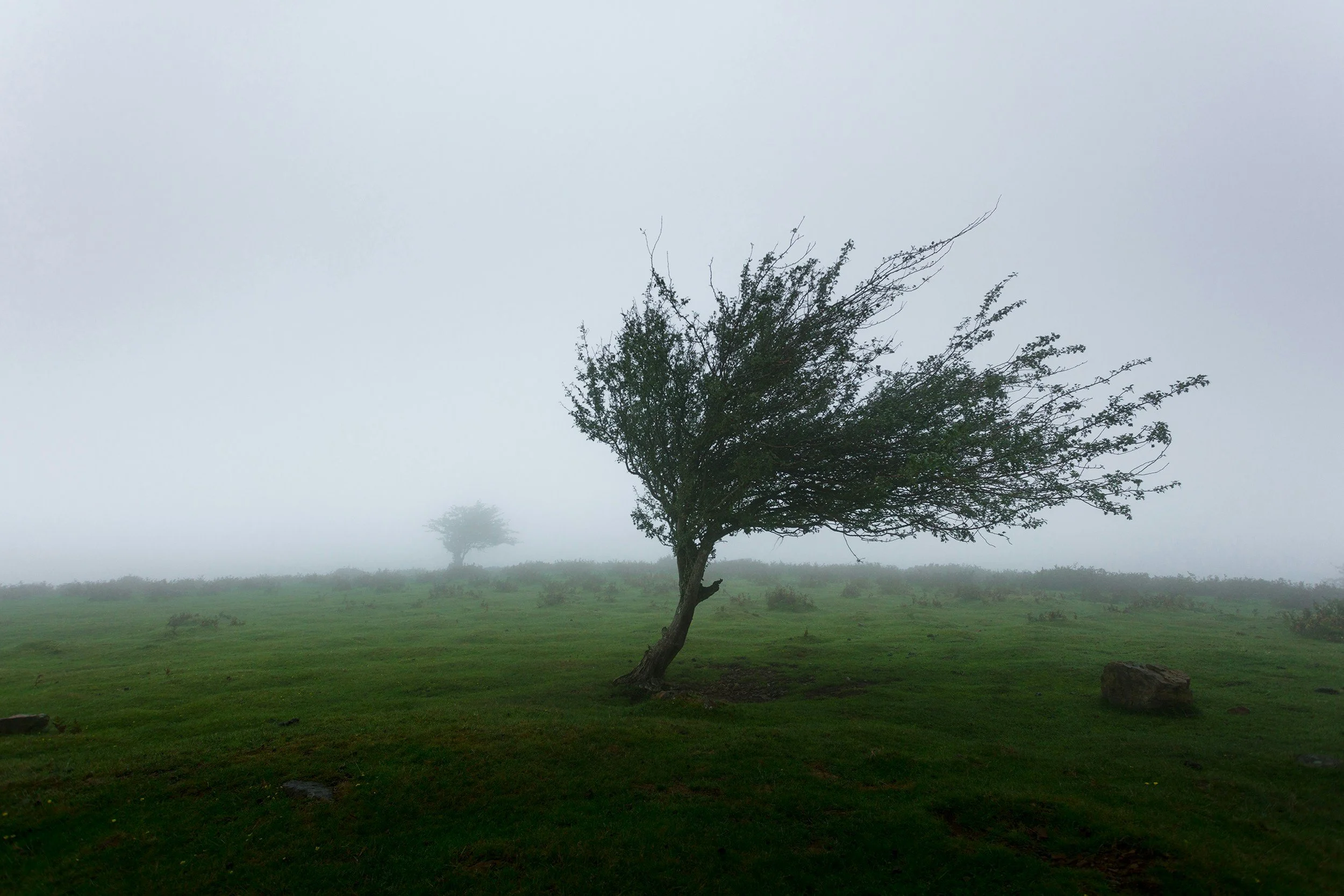
There’s an instruction for meditation, one I first heard from Roshi Joan Halifax, to sit with a strong back and a soft front.
From a meditative perspective, a strong back means keeping the spine upright, even as fatigue sets in physically, emotionally, or both. There is a natural tendency to collapse forward as we tire. The instruction is simple, but not easy: remain upright, somatically and attitudinally, as we face both the world and ourselves.
A soft front means remaining open to whatever we encounter: sadness or joy, steadiness or wavering, comfort or pain. Whatever is present, without turning away, or more subtly, without pretending to face it while actually bracing against it. This, too, applies both to our physical posture and to our posture toward the world of which we are a part.
Over decades of facilitating, training, and participating in Listening Circles in prisons, organizations, and communities, I’ve come to understand this instruction more broadly. It points toward cultivating strength in one’s sense of self, however changeable, while remaining open to the full range of feelings, judgments, fears, love, and uncertainty that arise when we truly listen.
With a strong back, we are not swept away by what we encounter. We can return again and again to an inner uprightness shaped by experience, training, practice, and reflection. With a soft front, we remain available to the world in its full breadth and depth.
We can breathe it in fully without becoming flooded, and exhale it completely without losing ourselves in the process. The upright spine becomes a quiet reminder of who we are as we meet what is. The soft front reminds us of our capacity to meet the world in spite of our fear and to notice the many conscious and unconscious responses that fear can generate.
Within the natural ebb and flow of feeling, we attune to the possibility of both knowing and not knowing in the same moment,
Without this strong back, receptivity alone can leave us pushed and pulled, responding to or identifying with whatever we see, hear, or feel, until what we exhale is not only what we’ve taken in, but also the very self that entered the world with intention and purpose.
It is practice, experience, and training that allow for both a strong back and a soft front. In their absence, we tend to brace, often unconsciously, pretending, to ourselves or to others, that we are grounded in who we are and what we know by leading with power instead: our roles, our proximity to authority or “source,” our accomplishments, or the dogma that becomes a scaffold holding us upright in place of a living spine.
Of course, we apply this bracing first to ourselves. We create or absorb rules that promise control and order. We cling to rigid ideas of right and wrong, to fixed moral frameworks that simplify a far more complex human landscape. Over time, these hard edges extend outward into us-and-them dichotomies, with their familiar drift toward dehumanization.
In my experience, leadership, teaching, or any form of visible accountability, especially when it's connected to something truly and personally important for me, intensifies vulnerability. I often tell facilitators and teachers I’m training that they might as well imagine themselves naked, because much of who we are is already visible: the refracted light and the dappled shadow.
For me, this exposure has often triggered bracing. I want the right answer. I want a plan. Despite consciously knowing I could never know everything, I subconsciously seem to be seeking something that might guarantee that at least a little of what feels tender or uncertain remains hidden. And so I brace, shielding my chest by collapsing it, if only slightly.
In my worst moments, I have spoken beyond my own experience and leaned on lineage to cover what I did not know. I have answered a student’s or child’s “why?” with some version of “because I said so.” I have relied on role, dogma, and rigid self-rules to build a wall that a part of me pretends will keep us safe from the boundless vulnerability that comes with being alive in an uncertain world.
At my best, I trust myself to remain upright for just one more breath. I allow myself not to know. I listen fully to my children, a student, a friend before speaking or acting. I can take the posture of simply admitting that we are in this uncertainty together. And that, I’ve found, is far more intimate, alive, and potentially fruitful than any wall I could build for us to stand behind and pretend we are safe.
In these moments, I can reside in this posture toward myself and the world because repeated practice, again and again, of letting go of the rigid front that wants to tighten has resulted in more connection, more support, and, I believe, a fuller capacity to serve the person or situation in front of me. Over time, my experience has shown, and will continue to show, that I can remain upright even with this soft front.
praṇavaḥ
तस्य वाचकः प्रणवः। tasya vācakaḥ praṇavaḥ | Yoga Sutra 1.27
A
from the warm
watery
presence of
belonging,
the first gasp for air.
inhaling
the world’s
sharp cold
and sudden
intensity of light.
a pause,
and then,
an exhale
nothing left to do
but surrender
to a story
already told,
and quickly forgotten
in the morning
storm
of
life.
U
building,
destroying,
grasping,
refusing,
believing,
refuting,
chasing,
fleeing,
dreaming,
disappointing,
climbing,
falling,
falling to pieces.
preparing
M
in silence
the offering:
listening
to the pain of another,
beholding
the beauty
and tragedy
of the world,
rejoicing
in the miracle,
loving
wholeheartedly,
when it makes
no sense,
standing
at the edge
of disappearance
where only emptiness
watches
as we
step
inside.

Slippery Slopes
Find a slippery slope,
stand at its edge on a rainy day,
take a step forward,
and let yourself go.
You will undoubtedly
end up at the bottom of the ravine
you designed your life to avoid;
off-trail,
unguided,
untethered
from what you know.
and there lie the treasures:
among the other beasts who wander,
leaving evidence of their existence
in heaping, stinking piles;
among tracks
layering story upon story
into the wet earth;
among crisscrossed fallen trees
you’ll climb over and under,
never sure you’ll make it back;
among putrid wallows
and clear, fresh springs;
among places no one else has seen,
and for which your words
will never quite find
a suitable description.